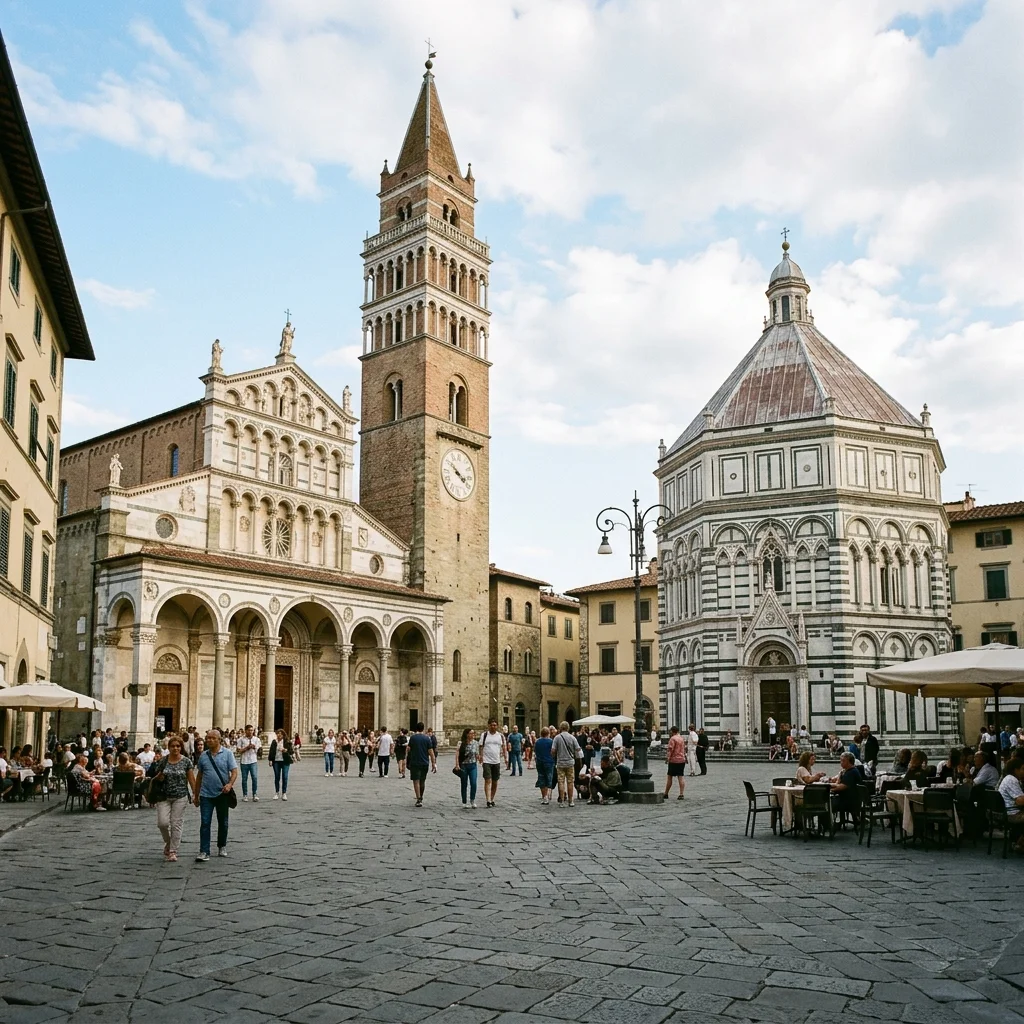
Guida Turistica: Provincia di Pistoia
Guida alla provincia di Pistoia: itinerari, borghi, cosa vedere e dove alloggiare.
The province of Pistoia is a hidden corner of paradise in the Italian Tuscany, where nature, art, and culture meet in a unique and unforgettable experience. Located in the heart of the region, Pistoia is a place of great beauty and charm, attracting visitors from all over the world with its millennial history, Renaissance art, and traditional Tuscan cuisine.
Attractions
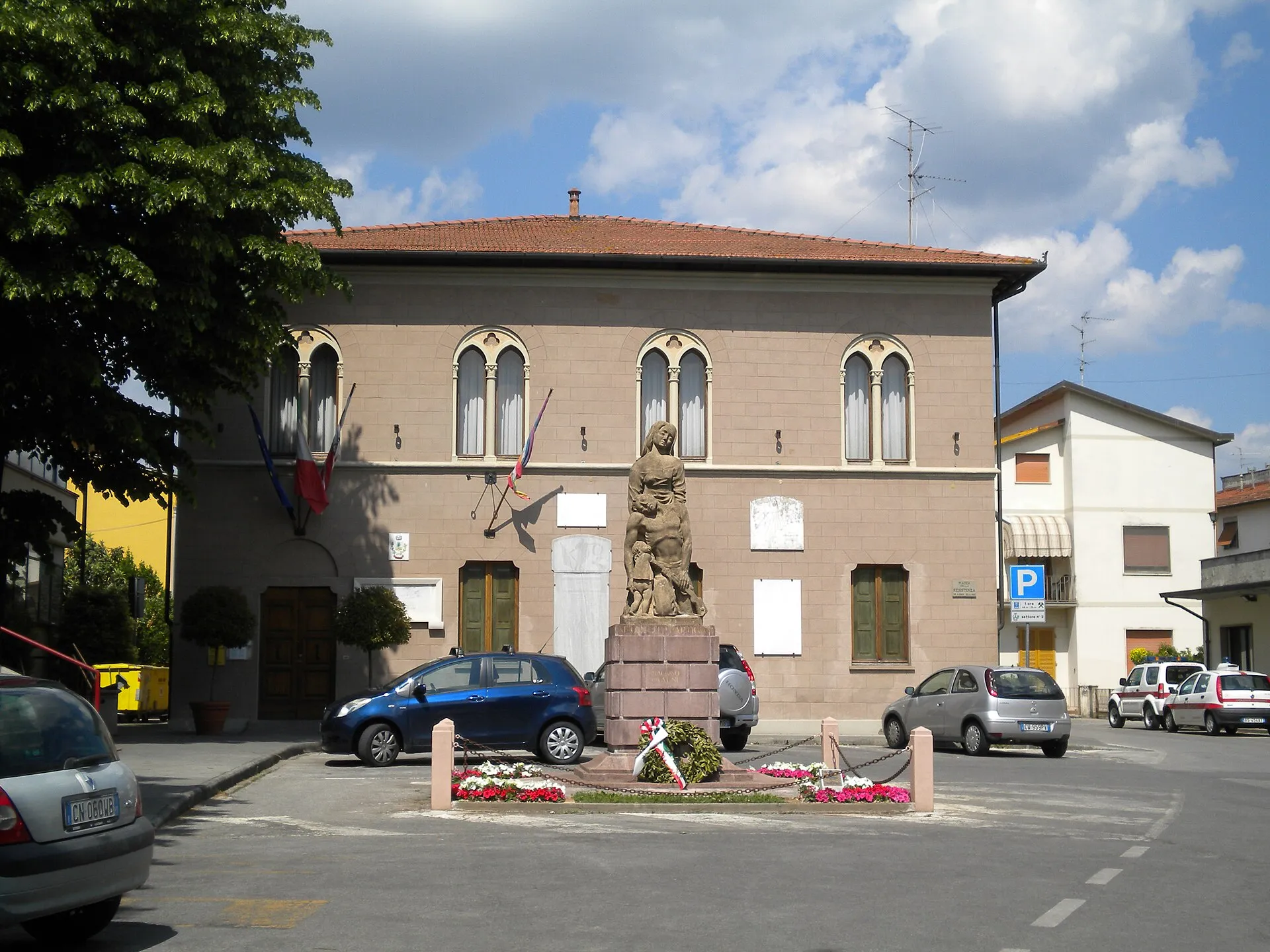
Comune di Riserva Naturale Statale Macchia della Magliana - Roma
Fiume Bisenzio
Lago Montalbano
Lago di Castagnati
The province of Pistoia is rich in tourist attractions that range from the rebirth of Pistoia, with its Gothic cathedral, to the Castello di Montecatini, which dominates the valley of the Lima river, and to the Museum of Sacred Art, which hosts one of the most important collections of sacred art in Italy.
Culture
The local culture is one of the most beautiful nuances of the province of Pistoia. The city is famous for its musical tradition, which expresses itself through sacred and profane music, and for its popular art, which manifests itself in handicrafts and folk traditions.
Enogastronomy
The traditional Tuscan cuisine is one of the specialties of the province of Pistoia. The most famous dishes are ribollita, a lentil and vegetable soup, and pappardella al cinghiale, a pasta with wild boar, which pairs perfectly with a good local wine.
Motivation
The province of Pistoia is a place that offers the opportunity to live a unique and unforgettable experience. Its millennial history, Renaissance art, and traditional Tuscan cuisine make it an ideal place for those looking for a relaxing and cultural holiday, but also for those seeking an unspoiled and authentic adventure.
Where to Stay in Pistoia

Where to Eat in Pistoia

Frequently Asked Questions (FAQ)
Where is the province of Pistoia located?
The province of Pistoia is located in the Tuscany region, Italy, and borders the provinces of Florence to the north, Prato to the northwest, Pisa to the west, Lucca to the southwest, and Arezzo to the east.
What do the inhabitants of Pistoia call themselves?
The inhabitants of Pistoia are called pistoiesi.
How many municipalities are there in the province of Pistoia?
There are 22 municipalities in the province of Pistoia.
What are the must-see places in the province of Pistoia?
The province of Pistoia offers a variety of tourist attractions, including the city of Pistoia with its medieval historic center, the Pistoia Cathedral, the Town Hall, and the Civic Museum. Other attractions include the Arno river valley, the Chianti area, and the town of San Marcello Piteglio.
What is the main economic activity of the province of Pistoia?
The main economic activity of the province of Pistoia is agriculture, with a strong presence of agricultural companies that produce wine, olive oil, and other agricultural products.
What kind of climate does the province of Pistoia have?
The province of Pistoia has a Mediterranean climate, with hot summers and mild winters. The average annual temperature is around 14°C.
Destinazioni Principali in Provincia di Pistoia
Esplora le guide turistiche dedicate e le attrazioni dei comuni più rinomati della provincia:
Pistoia
89.101 ab.Quarrata
25.378 ab.Monsummano Terme
20.767 ab.Montecatini-Terme
19.674 ab.Pescia
19.435 ab.Agliana
16.792 ab.Serravalle Pistoiese
11.517 ab.Montale
10.682 ab.Pieve a Nievole
9.460 ab.Ponte Buggianese
8.771 ab.Buggiano
8.735 ab.San Marcello Piteglio
8.469 ab.Download the Free Complete Guide to Pistoia
Includes city center maps, attraction opening hours and ticket prices, recommended itineraries, and direct contacts of top accommodations and restaurants.
Do you manage an accommodation or a blog in Pistoia?
Offri un servizio utile ai tuoi ospiti: inserisci sul tuo sito web il link alla Guida di Pistoia per arricchire la tua offerta turistica.
Pistoia
Access the complete overview to browse all available accommodations, restaurants, interactive map, and photos of the area:
Map dei Comuni
Esplora liberamente i confini, le peculiarità e i punti di interesse.Our Network Portals
Explore this area through the dedicated portals of our tourism network:
